Dead or grey tooth: what it means and how it can be fixed
Written with input from the clinical team at Lateral Dental in Sheffield, led by principal dentists Dr Matthew Stephens (GDC 263989) and Dr Anupa Stephens (GDC 264031).
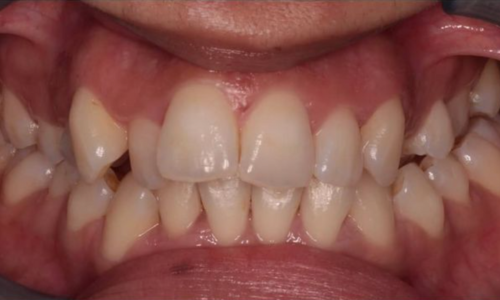
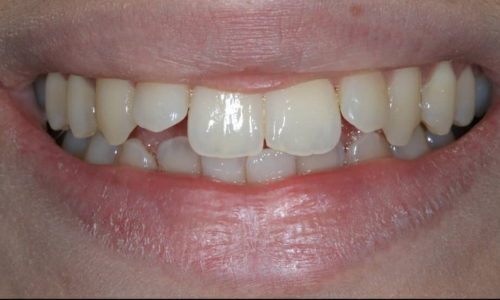
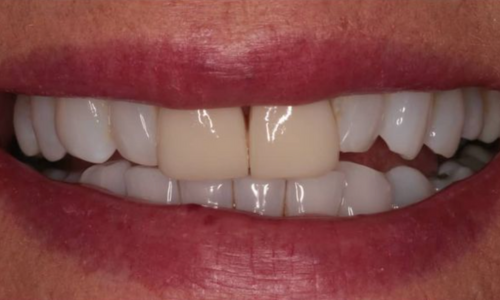
Most people notice it in a photo or the bathroom mirror. One tooth, often at the front, looks a little darker than the others. Maybe it’s greyish, yellow-brown or almost bluish. It doesn’t hurt, so you’re not sure whether it’s a problem or just a stain.
A single tooth that changes colour is one of the most common signs of a dead tooth. It’s also something many people put off getting checked, because there’s often no pain at all.
The good news is that a dead or grey tooth can usually be treated, and in many cases both the health and the colour of the tooth can be restored. This guide explains what’s going on inside the tooth, how a dentist confirms it, and the options for fixing it.
At Lateral Dental in Sheffield, we regularly see patients who’ve noticed one tooth turning darker, often years after a knock they’d almost forgotten about.
What is a dead tooth?
Every tooth has a soft centre called the pulp, which contains the nerve and blood supply. It’s what keeps the tooth alive and allows it to feel hot, cold and pressure.
A dead tooth (sometimes called a non-vital tooth) is one where the pulp has been damaged so badly that it can no longer survive. Once the blood supply stops, the tissue inside slowly breaks down.
Why does a dead tooth turn grey?
When the pulp dies, blood and broken-down tissue inside the tooth seep into the thousands of tiny tubes that run through the dentine. Over weeks or months, these stain the tooth from the inside out. That’s why a dead tooth often looks grey, dark yellow, brown or even black.
Because the staining is inside the tooth, normal whitening toothpaste or even professional whitening on the outside won’t fix it.
Is your tooth actually dead? What the colour can tell you
Not every discoloured tooth is dead. The colour and the history can help a dentist work out what’s happening, although tests and an X-ray are always needed to be sure.
What you see | What it might mean | What usually happens next |
|---|---|---|
Pink or slightly grey shortly after a knock | Bleeding inside the tooth; it may recover, especially in younger people | Monitoring with tests over the following weeks and months |
Grey, dark or bluish tooth, often months or years after an injury | The nerve has likely died | Tests and an X-ray; root canal treatment if confirmed |
A yellow, slightly opaque tooth after an old injury | The pulp has narrowed by laying down extra dentine; often still alive | Regular monitoring; whitening or cosmetic treatment if wanted |
Brown or black area on the biting surface or between teeth | More likely decay than a dead tooth | Examination and filling |
Several teeth gradually yellowing | Natural ageing or staining, not a dead tooth | Hygiene visit or whitening |
This is why we never assume. A darker tooth needs a proper assessment before anyone decides on treatment.
What causes a tooth to die?
A knock or injury
This is the most common cause of a grey front tooth. A fall, a sports injury, or even a minor bump can damage the blood vessels that supply the pulp. Sometimes the tooth dies within weeks; sometimes it happens slowly over years. Many patients don’t even remember the original injury.
If you’ve had a knock to a tooth, even a minor one, it’s worth mentioning it at your next appointment. Keeping an eye on injured teeth is a routine part of general dentistry, and it means any change is picked up early.
Deep decay
If decay is left untreated, it eventually reaches the pulp. Bacteria cause the nerve to become inflamed and, over time, to die.
Large or repeated fillings
Each time a tooth is drilled and filled, the pulp is put under some stress. Teeth with very large fillings, or that have been treated many times, are more likely to lose their nerve.
Cracks and grinding
A crack can let bacteria reach the pulp, and heavy grinding can damage the nerve over time.
Does a dead tooth hurt?
Sometimes, but often not. This is what catches many people out.
- No pain at all. Very common. The only sign may be the change in colour
- Pain while the nerve is dying. Some people notice a period of toothache or sensitivity that then disappears. That isn’t the tooth getting better, it’s the nerve dying
- Pain later on. Without treatment, bacteria can multiply inside the dead tooth and cause an infection at the tip of the root. This can cause throbbing pain, tenderness when biting, swelling or a spot on the gum
If you have swelling, a bad taste or a spot on the gum, the tooth may be infected and should be seen quickly. Our guide to tooth abscess symptoms explains what to look out for.
How a dentist confirms a dead tooth
At your appointment, your dentist will:
- Ask about the tooth’s history, including any knocks, previous fillings or past pain
- Examine the tooth and gum for signs of cracks, decay, swelling or tenderness
- Test whether the nerve responds, usually with a cold stimulus or a gentle electric test. A healthy tooth responds; a dead one usually doesn’t
- Take an X-ray to check for infection at the root tip or changes inside the tooth
This kind of thorough assessment is part of good general dentistry care, and it means any treatment is based on what’s really happening, not just on how the tooth looks.
Can a dead tooth come back to life?
No. Once the pulp has truly died, it can’t recover. But a tooth that has only been bruised may recover, which is why a dentist may monitor a recently injured tooth for a while before deciding it needs treatment.
A dead tooth isn’t lost, though. With the right dead tooth treatment, it can often stay in your mouth for many years.
In most cases, that starts with root canal treatment, followed by an option to restore the colour if needed.
Dead tooth treatment options
Root canal treatment
Root canal treatment is usually the first step. The dead tissue is removed from inside the tooth, the canals are cleaned and disinfected, and the tooth is sealed to stop bacteria getting back in. It’s carried out under local anaesthetic and is far more comfortable than its reputation suggests.
Root canal treatment treats the health of the tooth and prevents infection, but on its own it doesn’t always change the colour. If you’re curious about recovery, our article on root canal treatment side effects explains what’s normal afterwards.
Internal whitening
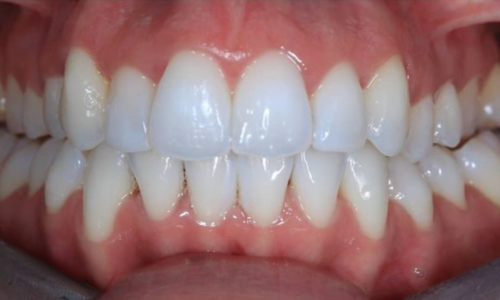
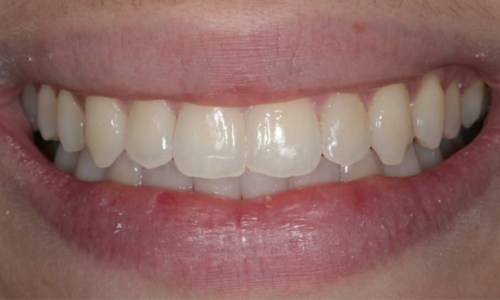
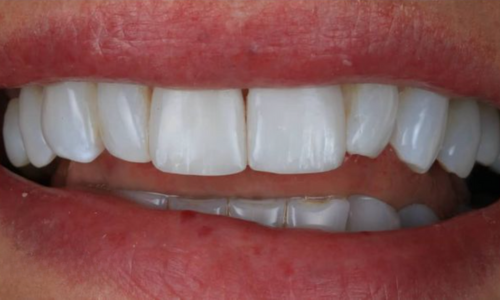
Because the staining in a dead tooth comes from the inside, it can sometimes be whitened from the inside too. After root canal treatment, a whitening gel is placed inside the tooth and sealed in for a short time, then replaced until the colour improves. It can be a conservative way to bring a grey tooth back in line with its neighbours. Your dentist will tell you whether it’s suitable for your tooth.
A crown or veneer
If the tooth is heavily filled, weakened or the colour can’t be improved enough by whitening, covering it may be the best option. A dental crown covers the whole tooth, protecting it and giving it a natural colour. Back teeth that have had root canal treatment often need a crown anyway, because they become more brittle.
For front teeth that are otherwise strong, a veneer or composite bonding can mask the colour while keeping more of the natural tooth.
Removing the tooth
If the tooth is badly cracked, very weak or can’t be treated successfully, it may need to be taken out. A gap can then be filled with a dental bridge or another replacement option. We always aim to save natural teeth where that’s genuinely the best choice.
Comparing the options
Option | Treats the dead nerve? | Improves the colour? | Keeps the natural tooth? |
|---|---|---|---|
Root canal treatment | Yes | Not always on its own | Yes |
Internal whitening (after root canal) | No, done alongside root canal | Often, yes | Yes |
Crown | Protects the tooth after root canal | Yes | Yes, covered |
Veneer or bonding | No | Yes | Yes, mostly |
Extraction and replacement | Removes the problem | Yes, with a new tooth | No |
Many patients end up with a combination, for example root canal treatment followed by internal whitening or a crown.
Back teeth in particular usually need a crown after root canal treatment, because they take most of the force when you chew.
What happens if you leave a dead tooth?
It’s tempting to leave a grey tooth alone if it doesn’t hurt. But a dead tooth is a risk, even if it feels fine:
- Infection can develop, sometimes years later, leading to an abscess
- The tooth can become brittle and more likely to crack or break
- The colour usually gets darker, not lighter, over time
Some dead teeth stay quiet for a long time, but they should always be checked and monitored with X-rays. Getting it assessed early gives you more options and usually a simpler fix.
Nervous about treatment?
It’s completely understandable to feel anxious about root canal treatment or having a tooth worked on. Many of our patients have put off a grey tooth for years for exactly that reason.
We take time to explain everything, go at your pace and never rush appointments. For people who find dental treatment especially difficult, dental sedation can help you feel calm and relaxed while your tooth is treated.
Our page on sedation for nervous patients explains how it works and who it suits.
Why patients choose Lateral Dental
Lateral Dental is a private dental practice at 4 Queens Row in The Nichols Building, Sheffield, led by principal dentists Dr Matthew Stephens and Dr Anupa Stephens. We combine careful, unhurried care with modern technology, and we always explain your options clearly so you can choose what’s right for you.
If one of your teeth has changed colour, we’ll check whether it’s alive, explain exactly what’s going on and talk you through every option, from simply monitoring it to restoring its colour. We’ll give you a clear price before any treatment begins.
You can call us on 0114 697 0707.
Disclaimer
The information in this article is intended for general educational guidance only and does not constitute personalised dental or orthodontic advice. Suitability for Invisalign treatment depends on individual clinical assessment by a qualified dental professional.
Frequently asked questions
The most common sign is a tooth that has turned grey, dark yellow, brown or black compared with the others. Some people also have pain, tenderness or swelling, but many have no symptoms at all. A dentist can confirm it with simple tests and an X-ray.
Often, yes, but not on its own. A grey tooth caused by a dead nerve usually needs root canal treatment first. The colour can then be improved with internal whitening, or the tooth can be covered with a crown, veneer or bonding.
Not always. If it’s simply discoloured with no pain, it should be checked soon but isn’t urgent. If you have swelling, throbbing pain, a bad taste or a spot on the gum, it may be infected and should be seen as soon as possible.
With root canal treatment and, where needed, a crown, a dead tooth can often last for many years. Left untreated, it carries a risk of infection and of becoming brittle and breaking, so it should be assessed by a dentist.
Root canal treatment is carried out under local anaesthetic, so it should feel similar to having a filling. Because the nerve in a dead tooth is no longer working, many people find the treatment more comfortable than they expected.