How is a dental crown fitted? A clear, expert guide for patients
If you’ve been told you need a crown, it’s natural to have questions. One of the most common we hear at Lateral Dental in Sheffield is: how is a dental crown fitted, and what should I expect?
A dental crown is a reliable, long-lasting way to restore a damaged or weakened tooth. Modern crowns are designed to look natural, feel comfortable and protect your tooth for many years. Understanding the process helps remove uncertainty and makes the experience far less stressful.
In this guide, we explain how a dental crown is fitted, step by step, from the first consultation to aftercare. We’ll also explain when crowns are recommended, how long they last, and why choosing an experienced dental team matters.
If you’re new to the practice, you can also find information for new patients at Lateral Dental throughout this article.

What is a dental crown?
Before explaining how is a dental crown fitted, it helps to understand what a crown actually is.
A dental crown is a custom-made cap that fits over a tooth. It restores:
- strength
- shape
- function
- appearance
Crowns are commonly used when a tooth is:
- heavily filled
- cracked or broken
- weakened after root canal treatment
- worn down
- misshapen
- discoloured
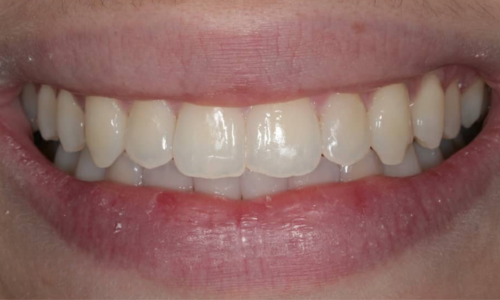
At Lateral Dental, we use crowns to protect teeth and help patients chew comfortably while maintaining a natural smile.
You can read more about crown options here:
When is a crown recommended instead of a filling?
Patients often ask why a crown is needed rather than a simple filling.
A filling replaces missing tooth structure. A crown, however, wraps around the entire tooth, offering much greater strength. If too much of the tooth has been lost, a filling may not hold securely.
Your dentist may recommend a crown if:
- a tooth has fractured
- a large filling has failed
- decay affects multiple surfaces
- a tooth has had root canal treatment
- long-term durability is needed
This decision is always explained clearly during your consultation at Lateral Dental, so you understand why a crown is the best option.
How is a dental crown fitted? An overview
Most crowns are fitted over two appointments, though some cases may vary depending on the tooth and materials used.
The general stages are:
- Examination and planning
- Tooth preparation
- Impressions or digital scanning
- Temporary crown placement
- Final crown fitting
Each step is designed to ensure comfort, accuracy and long-term success.
Step 1: Examination and planning
The first step in understanding how is a dental crown fitted is the assessment.
Your dentist will:
- examine the tooth and surrounding gums
- check your bite
- take X-rays if needed
- assess how much healthy tooth remains
- discuss your options
At Lateral Dental Sheffield, we always explain the benefits, limitations and alternatives before proceeding. If you’re a new patient, this assessment is part of our comprehensive approach outlined on our new patients page.
Step 2: Numbing the tooth
Once a crown has been agreed, the tooth is gently numbed using local anaesthetic. This ensures you remain comfortable throughout the procedure.
Patients often worry about pain, but modern techniques mean discomfort is minimal. You may feel pressure, but not pain.
Your dentist will always check that you’re fully numb before continuing.
Step 3: Preparing the tooth
This stage is key to how a dental crown is fitted successfully.
The dentist carefully reshapes the tooth so the crown can fit snugly. Any decay or old filling material is removed, and the tooth is shaped evenly around all sides.
The aim is to:
- remove weakened areas
- preserve as much healthy tooth as possible
- create space for the crown material
Precision here is essential for a long-lasting result.
Step 4: Taking impressions or digital scans
Once the tooth is prepared, your dentist needs an exact model of your mouth.
At Lateral Dental, this may involve:
- digital scanning
- or traditional impressions
This captures the shape of:
- the prepared tooth
- surrounding teeth
- your bite
These details are sent to a trusted dental laboratory, where your crown is custom-made to fit your mouth precisely.
This step plays a huge role in ensuring your crown looks natural and feels comfortable.
Step 5: Temporary crown placement
While your final crown is being made, a temporary crown is fitted.
The temporary crown:
- protects the prepared tooth
- maintains appearance
- allows normal eating (with care)
It is fixed with a temporary cement so it can be easily removed at your next appointment.
Your dentist will give advice on how to look after it, including avoiding sticky or very hard foods.
Step 6: Creating the final crown
Your permanent crown is crafted by skilled dental technicians using high-quality materials. These may include:
- porcelain
- ceramic
- zirconia
- porcelain-fused-to-metal
Material choice depends on:
- tooth position
- bite forces
- aesthetic goals
Your dentist will recommend the most suitable option and explain why.
Step 7: Fitting the final crown
This is the final stage of how is a dental crown fitted.
At your second appointment:
- the temporary crown is removed
- the tooth is cleaned
- the final crown is tried in
Your dentist checks:
- fit
- colour match
- bite alignment
- comfort
Adjustments are made if needed. Once everything is correct, the crown is permanently bonded into place.
The result should feel secure and natural straight away.
Does getting a crown hurt?
This is a very common concern.
The fitting process itself should not be painful due to local anaesthetic. After the appointment, mild tenderness or sensitivity is normal for a few days, especially when biting or with hot and cold foods.
This usually settles quickly.
If discomfort persists, your dentist will check the bite and make small adjustments if needed.
How long does a dental crown last?
With good care, a crown can last 10–15 years or longer.
Longevity depends on:
- oral hygiene
- regular dental check-ups
- avoiding excessive grinding
- diet and lifestyle
Routine visits at Lateral Dental help ensure your crown and surrounding teeth stay healthy.
Caring for your crown after fitting
Looking after a crown is very similar to caring for a natural tooth.
You should:
- brush twice daily
- clean between teeth
- attend regular check-ups
- see your dentist if you notice discomfort or looseness
Crowns cannot decay, but the tooth underneath still can, so ongoing care is essential.
Common concerns patients have
Will the crown look natural?
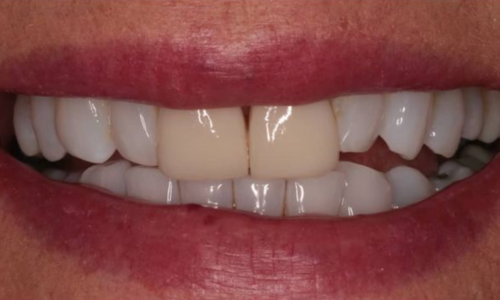
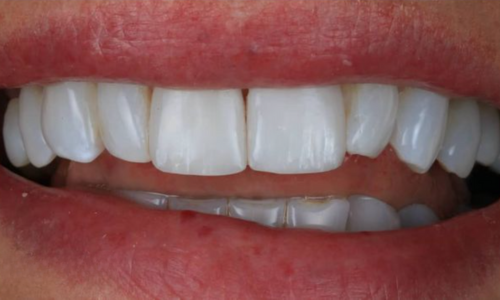
Yes. Modern crowns are colour-matched and shaped to blend with your natural teeth.
Can I eat normally?
Once fully set, you can eat as normal, although it’s wise to avoid biting very hard objects.
What if the crown feels too high?
This can be adjusted easily. Always let your dentist know.
Why experience matters when fitting crowns
Understanding how is a dental crown fitted highlights why experience is so important.
At Lateral Dental Sheffield, our clinicians:
- assess carefully before treatment
- use modern technology
- work closely with skilled laboratories
- focus on long-term outcomes
This approach reduces complications and helps crowns last longer.
Why patients trust Lateral Dental
- Our dentists fit crowns regularly, from straightforward cases to complex restorations.
- We use evidence-based techniques, modern materials and precise planning.
- Our approach reflects current UK dental standards and best practice.
- We explain every step clearly and ensure patients feel informed and comfortable.
Final thoughts
Knowing how is a dental crown fitted helps you feel confident and prepared for treatment. Crowns are a reliable, effective way to restore strength, function and appearance to damaged teeth.
If you think you may need a crown, or would like expert advice, the team at Lateral Dental Sheffield is here to help. Whether you’re an existing patient or joining us for the first time via our new patients page, you’ll receive clear explanations, careful treatment and a focus on long-term oral health.
Questions our patients ask
The tooth is rebuilt where needed before preparation so the crown has a stable base.
Usually two, although this can vary.
Yes, and it is often recommended to protect the tooth.
Possibly, but with good care crowns can last many years.
Contact the practice so it can be re-cemented.