Is teeth whitening safe? What a dentist wants you to know
Teeth whitening is one of the most popular cosmetic treatments in the UK. It is also one of the most misunderstood. Search online and you will find kits, strips, charcoal powders, salon treatments and social media tips, all promising a brighter smile.
So is teeth whitening safe? The short answer is yes, when it is done properly by a dental professional. The longer answer depends on who does it, what is used and whether your teeth and gums are healthy to begin with. This guide explains the facts, so you can decide with confidence.
Is teeth whitening safe when a dentist does it?
Yes. Whitening supervised by a dental professional is a well-established, safe treatment for healthy teeth. Leeds Teaching Hospitals NHS Trust notes that tooth whitening is safe when carried out by a trained dental professional, and that it does not remove any tooth structure.
That last point is worth understanding. Whitening does not scrub or file your teeth. It uses a peroxide-based gel that works its way into the enamel and breaks down the stains inside. Your teeth stay the same shape and size. They simply become lighter.
Safety comes from three things working together:
- A check that your teeth and gums are healthy enough to whiten
- A gel at a strength that is legal and appropriate
- Trays or application that fit properly, so the gel stays on your teeth and off your gums
When any of these is missing, the risks go up.
What does the law say?
In the UK, teeth whitening is classed as dentistry. The General Dental Council states that only registered dental professionals can offer or provide tooth whitening. That means dentists, dental therapists, hygienists and clinical dental technicians working to a dentist’s prescription.
The rules on strength are just as important:
- Products containing or releasing between 0.1% and 6% hydrogen peroxide can only be supplied to dental professionals
- A dentist cannot use more than 6%
- Anything sold to the public must contain no more than 0.1%, which is too weak to whiten much at all
So if a beauty salon, a mobile service or a pop-up stall is offering whitening, it is not legal. Whatever training certificate they hold, that does not change the position. And without a dental check first, nobody knows whether your mouth is suitable.
Comparing the options
|
Option |
Safety |
How well it works |
|---|---|---|
|
Dentist-supervised whitening |
Safest. Your mouth is checked first and the gel is controlled |
Reliable and predictable |
|
Over-the-counter kits and strips |
Lower strength. Poorly fitting trays can irritate gums |
Limited, as the gel is weak |
|
Whitening toothpaste |
Safe, but removes surface stains only |
Light surface effect |
|
Beauty salon or online whitening |
Not legal. Risk of burns, sensitivity and damage |
Unpredictable |
|
Charcoal, lemon juice, baking soda |
Can wear or erode enamel |
Weak, with a risk of harm |
The NHS agrees. Its guidance warns that whitening from beauty salons or kits bought online does not work as well and may harm your teeth and gums.
What are the side effects of teeth whitening?
Professional whitening is safe, but it can cause temporary side effects. The most common are:
Sensitivity. Teeth can feel sharp or tingly with cold or sweet food and drink. This is the most common effect. It is temporary and usually settles within a few days after finishing treatment.
Gum irritation. If the gel touches the gums, they can become sore or look white for a short time. This also settles quickly. Well-fitting trays and careful use keep it to a minimum.
Sore throat. Some people notice this, particularly if they swallow some gel.
These are the same effects the NHS lists. If sensitivity bothers you, tell us. We can adjust how often you use the gel, change the strength, or recommend a desensitising toothpaste.
Does teeth whitening damage enamel?
This is the question we are asked most. When whitening is done correctly, the evidence does not show that it harms enamel. The sensitivity some people feel comes from the gel temporarily affecting the layer beneath the enamel. It is not a sign that enamel is being worn away.
The real risk to enamel comes from DIY methods. Lemon juice and vinegar are acidic and can soften enamel. Baking soda and charcoal are abrasive and can wear it down over time. They also whiten very little. If you want a brighter smile, the safest route is the professional one.
Who should not have teeth whitening?
Whitening is not right for everyone. We recommend waiting, or choosing another treatment, if you:
- Are under 18. The NHS says whitening is not done on people aged 17 or younger
- Have active tooth decay or gum disease. These need treating first, as whitening can make them uncomfortable
- Have very sensitive teeth or worn enamel. We may need to prepare your teeth first or suggest a gentler approach
- Are pregnant or breastfeeding. Dentists usually advise postponing whitening, as a precaution
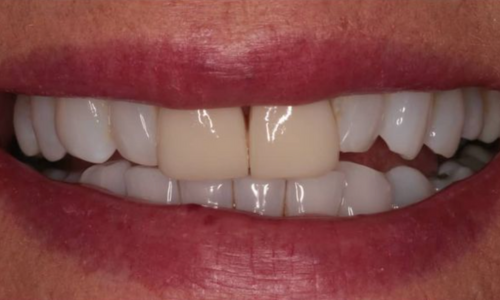
- Have lots of visible dental work. Whitening only works on natural teeth. It will not change the colour of crowns, veneers, dentures or fillings, so these can end up looking darker than your newly whitened teeth
If you have fillings or crowns at the front, it is worth planning ahead. In some cases, we whiten first and then replace or match the restorations. You can read more about matching front teeth on our composite bonding page.
What does safe whitening look like at Lateral Dental?
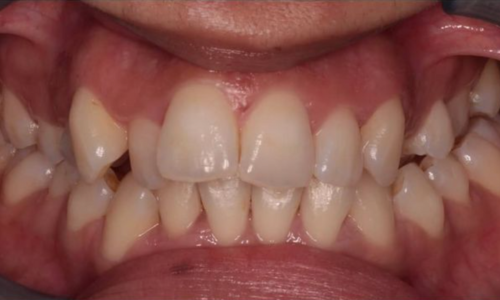
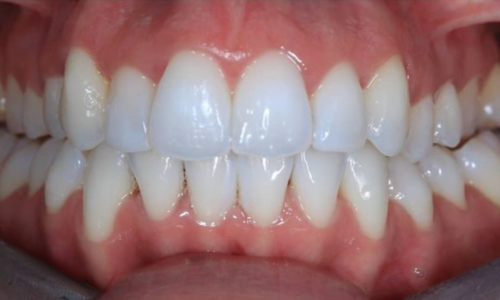
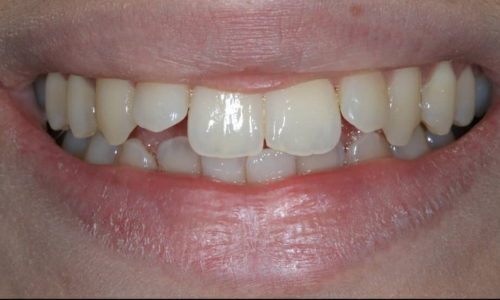
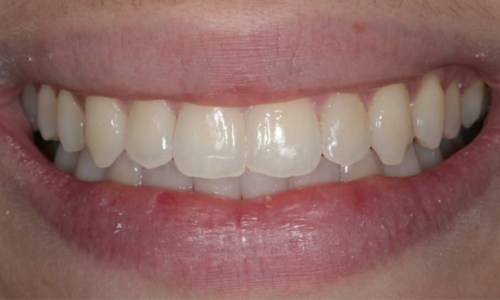
At Lateral Dental, we offer one whitening system, Boutique Whitening. It is a dentist-supervised system you use at home. We chose it because it is safe, reliable and gives real results. You can read more about it on our teeth whitening page.
Here is how it works:
- A consultation. We check that your teeth and gums are healthy and suitable. If you need a filling or a clean first, we sort that out before whitening starts.
- Custom trays. Trays are made to fit your teeth, so the gel stays where it should.
- Whitening at home. You use the gel following our instructions. There are day and night formulas, and most people see results within 7 to 10 days.
- Support along the way. If you notice sensitivity, you can contact us for advice.
The gel is approved for use in the UK. Because it is prescribed and supervised by a dentist, you know it is legal, appropriate and monitored.
How to look after your teeth during and after whitening
A few simple habits help protect your results and your comfort.
- Avoid heavily staining food and drink for the first few days, including red wine, coffee, curry and tomato sauces
- Use a toothpaste for sensitive teeth if you notice twinges
- Keep brushing twice a day with fluoride toothpaste, and clean between your teeth
- Do not smoke, as it stains teeth quickly and can undo your results
- Keep up with regular dental check-ups, so we can check your teeth and gums stay healthy
- Book a professional clean with the dental hygienist before you start. A clean often brightens teeth on its own, and whitening works better on clean surfaces
NHS guidance says that, with good care, the effect may last around three years. We find results last longer if you top up occasionally and look after your teeth.
Straightening and whitening together
If you are planning Invisalign, the order matters. Whitening works best once your teeth are in their final positions, and your retainers can double as whitening trays. Our guide to teeth straightening explains how to plan the two treatments together.
If you would like to whiten your teeth safely, get in touch. We will check your teeth and gums, explain what to expect and take you through the process step by step.
Medically reviewed by Dr Anupa Stephens, Principal Dentist at Lateral Dental, GDC number 264031.
Disclaimer
The information in this article is intended for general educational guidance only and does not constitute personalised dental or orthodontic advice. Suitability for Invisalign treatment depends on individual clinical assessment by a qualified dental professional.
Frequently asked questions
Yes, when it is carried out or supervised by a registered dental professional on healthy teeth and gums. Side effects such as sensitivity or gum irritation can happen, but they are usually mild and temporary.
Professional whitening does not remove enamel or change the shape of your teeth. Temporary sensitivity is the most common effect. DIY methods such as lemon juice, charcoal and baking soda are more likely to harm enamel.
No, and it is not legal in the UK. Only registered dental professionals can provide whitening. Without a dental check, nobody knows if your mouth is suitable, and the products used may be too strong.
You can, but whitening only affects natural teeth. Fillings, crowns and veneers will not change colour, so they may look darker next to whiter teeth. We can plan around this at your consultation.
This varies, but the NHS suggests around three years with good care. Diet, smoking and hygiene all affect how long your results stay bright, and a top-up can refresh them.