Teeth grinding: the signs, the causes and how to protect your teeth
Written with input from the clinical team at Lateral Dental in Sheffield, led by principal dentists Dr Matthew Stephens (GDC 263989) and Dr Anupa Stephens (GDC 264031).
You wake up with a stiff jaw and a dull headache. Your partner says you make a strange noise in your sleep. Or your dentist mentions that your teeth look a little worn for your age. None of these feel like a big deal on their own, but together they often point to the same thing: teeth grinding.
The medical name is bruxism, and it’s far more common than most people realise. Many people who grind have no idea they do it, because it mostly happens while they’re asleep or concentrating hard on something else.
The good news is that teeth grinding is very manageable once it’s spotted. This guide explains how to tell if you’re grinding, why it happens, what it can do to your teeth over time, and the practical steps that genuinely help.
A quick self-check: are you grinding your teeth?
Go through this list. If several of these sound familiar, it’s worth getting your teeth checked.
- You wake up with an aching jaw, face or neck
- You get dull headaches around your temples, especially first thing in the morning
- Someone has heard you grinding or clicking your teeth at night
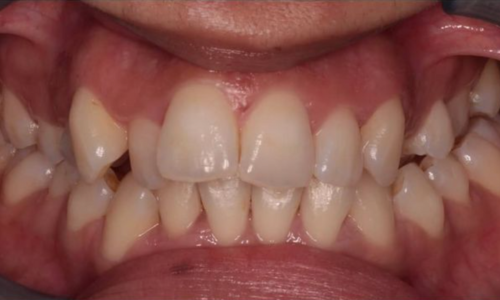
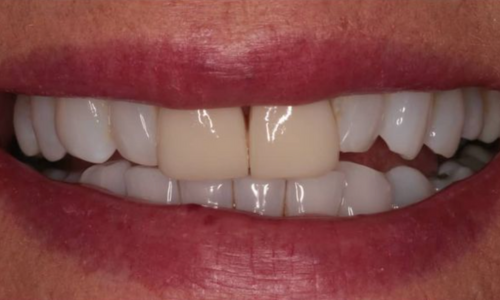
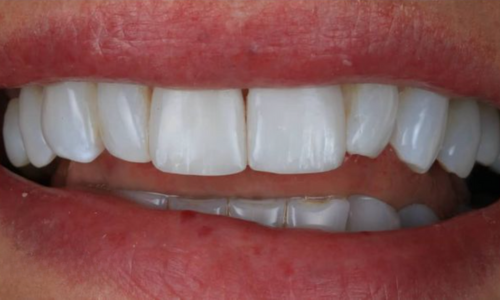
- Your teeth look shorter, flatter or more worn than they used to
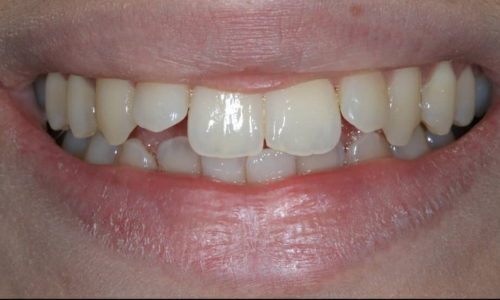
- The edges of your front teeth have small chips or look see-through
- Your teeth have become more sensitive to hot and cold
- Fillings or crowns keep cracking or coming loose
- You catch yourself clenching your teeth when you’re stressed, driving or working at a screen
- The sides of your tongue have a wavy, scalloped edge, or there’s a white line along the inside of your cheeks
- Your jaw clicks, feels tight or is hard to open wide
Headaches linked to grinding are often mistaken for tension or tooth pain. Our guide on whether a toothache can give you a headache explains how the two can overlap.
Day grinding vs night grinding
There are two main types of bruxism, and they tend to have slightly different causes.
|
Awake bruxism |
Sleep bruxism |
|
|---|---|---|
|
When it happens |
During the day |
During sleep |
|
What it usually looks like |
Clenching more than grinding |
Grinding, clenching or both |
|
Common triggers |
Stress, concentration, anxiety, habit |
Stress, sleep disorders, alcohol, caffeine, smoking |
|
Do you notice it? |
Often, once you know to look for it |
Rarely; a partner or dentist usually spots it |
|
Main approach |
Building awareness and breaking the habit |
Protecting the teeth with a night guard and treating triggers |
Many people have a bit of both. Working out which you have helps decide the best way to manage it.
What causes teeth grinding?
There’s rarely one single cause. These are the most common contributing factors.
Stress and anxiety
This is the big one. Clenching and grinding are a physical response to stress, and they often get worse during busy or difficult periods of life: exams, a new job, a house move, money worries.
Sleep problems
Sleep bruxism is linked with snoring and obstructive sleep apnoea, where breathing briefly stops during sleep. If you snore loudly, wake up gasping or feel exhausted however long you sleep, mention it to your GP as well as your dentist.
Lifestyle
Alcohol, caffeine, smoking and recreational drugs can all make grinding more likely, especially in the evening.
Medication
Some medicines, including certain antidepressants, can cause clenching or grinding as a side effect. Never stop a medicine on your own, but do mention it to your GP if you’ve noticed grinding since starting something new.
Concentration habits
Many people clench without thinking while focusing on a screen, lifting weights, driving or doing anything that takes effort.
What grinding does to your teeth over time
The forces involved in grinding are far greater than normal chewing, and they keep going for long periods. Over months and years, that adds up.
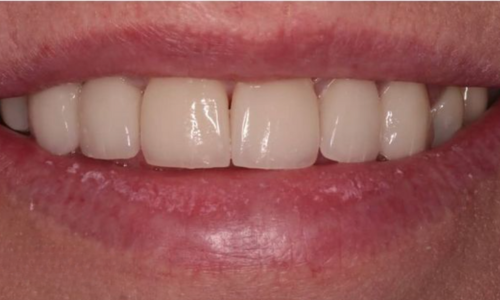
Wear and flattening. The biting surfaces of the teeth wear down, which can make teeth look shorter and older. Once enamel is gone, it doesn’t grow back.
Sensitivity. As enamel thins, the softer layer underneath is exposed, making teeth sensitive to cold, heat and sweet things.
Chips and cracks. Grinding is one of the most common reasons for chipped front teeth and cracked back teeth. Our article on what to do about a chipped tooth covers the repair options for smaller breaks.
Damage to the nerve. A crack that runs deep into a tooth can let bacteria reach the nerve. When that happens, root canal treatment may be needed to save the tooth and stop the pain.
Broken fillings and crowns. Restorations take the same punishment as natural teeth, so they may crack, wear or come loose sooner than expected.
Gum and jaw problems. Heavy forces can contribute to gum recession around the necks of the teeth, and can strain the jaw joints and muscles, leading to pain, clicking and stiffness.
The earlier grinding is picked up, the less damage there is to repair. That’s one of the reasons regular check-ups as part of good general dentistry care make such a difference: your dentist can spot the early signs of wear long before you’d notice them.
How to stop grinding teeth: what actually helps
There’s no instant cure, but a combination of protecting your teeth and tackling the triggers works well for most people.
During the day
- Lips together, teeth apart. At rest, your teeth shouldn’t be touching. Saying this to yourself a few times a day, or putting a small sticker on your screen as a reminder, helps break the clenching habit
- Notice your triggers. Pay attention to when you clench: in traffic, in meetings, at the gym
- Relax your jaw. Gently massage the muscles in front of your ears and at your temples, and use warm compresses if your jaw feels tight
- Avoid chewing gum and pens, which train your jaw muscles to keep working
At night
- Wear a custom night guard (more on this below)
- Cut back on caffeine in the afternoon and evening
- Limit alcohol, especially close to bedtime
- Build a wind-down routine with less screen time and something relaxing before bed
Tackling stress
Because stress is such a strong driver, anything that helps you manage it can reduce grinding: regular exercise, enough sleep, breathing exercises, mindfulness, or talking therapies such as CBT. If anxiety is affecting your daily life, your GP is a good place to start.
Children who grind
Grinding is common in young children and usually stops on its own as their adult teeth come through. It’s still worth mentioning at their check-ups so the dentist can keep an eye on wear.
Night guards: shop-bought vs custom-made
A night guard (sometimes called a splint) sits over your teeth while you sleep. It doesn’t stop the urge to grind, but it takes the force so your teeth don’t. There are two main types.
|
Shop-bought “boil and bite” guard |
Custom night guard from your dentist |
|
|---|---|---|
|
Fit |
Approximate, often bulky |
Made precisely to your teeth from a scan or impressions |
|
Comfort |
Can be uncomfortable to sleep in |
Slim and designed to be worn every night |
|
Material |
Usually soft |
Usually a hard, durable acrylic |
|
Effect on grinding |
Soft material can encourage some people to chew and clench more |
Lets the jaw relax and spreads the forces evenly |
|
How long it lasts |
Often months |
Usually several years with care |
For occasional or mild grinding, a shop-bought guard can be a stopgap. For regular grinding, especially if your teeth are already wearing or cracking, a custom guard is far more effective and comfortable. At Lateral Dental, we use digital 3D scanning, so there’s no need for messy impression trays.
Repairing teeth damaged by grinding
If grinding has already caused damage, there are good ways to restore your teeth. What’s right depends on how much tooth has been lost.
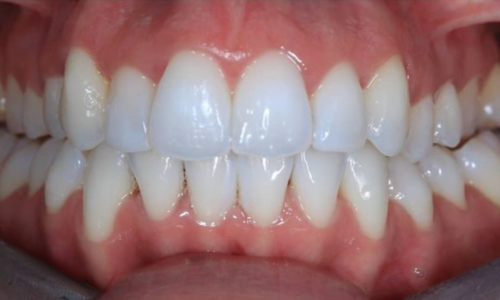
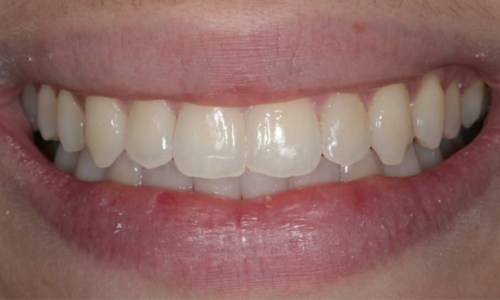
- Small chips and worn edges can often be rebuilt with tooth-coloured composite bonding
- Broken or heavily worn back teeth may need dental crowns, which cover and protect the whole tooth. You can see what’s involved in our step-by-step guide on how a dental crown is fitted
- Cracks that reach the nerve may need root canal treatment, usually followed by a crown to hold the tooth together
- Widespread wear across many teeth may need a planned approach over several appointments to rebuild the bite
One important point: any repair work needs protecting with a night guard afterwards. Otherwise, the same forces that wore down your natural teeth will wear down the new restorations too. A dental crown is strong, but it isn’t indestructible.
What about Botox for grinding?
You may have seen Botox injections into the jaw muscles advertised for grinding. There is some evidence they can reduce muscle activity and jaw pain for some people, but the effects wear off after a few months and it isn’t a first-line treatment. It also doesn’t protect your teeth the way a night guard does. If you’re considering it, talk it through with your dentist or doctor first.
Nervous about getting it checked?
It’s quite common for people who grind their teeth to also feel anxious about dental visits, as stress often sits behind both. If nerves have been stopping you from getting worn or sore teeth looked at, you’re not alone.
Our team is used to looking after nervous patients, and we never rush appointments. For longer treatments, such as restoring several worn teeth, dental sedation can help you feel calm and relaxed throughout.
When to see a dentist
Book an appointment if:
- You have any of the signs in the self-check above
- Your teeth are sensitive, chipped or look more worn than before
- You have jaw pain, clicking or difficulty opening your mouth
- A filling or crown has cracked or come loose
- You’re getting regular morning headaches
If a tooth suddenly becomes very painful, swollen or sensitive to biting, it could be cracked through to the nerve. Get in touch as soon as possible so it can be assessed.
Why patients choose Lateral Dental
Lateral Dental is a private dental practice at 4 Queens Row in The Nichols Building, Sheffield. Our principal dentists, Dr Matthew Stephens and Dr Anupa Stephens, lead a team that combines careful, unhurried care with modern technology such as digital 3D scanning.
What patients tell us they value most is honesty. We’ll explain what we see, show you on screen where your teeth are wearing, and talk through every option so you can decide what’s right for you. Whether you need a simple night guard or a plan to rebuild worn teeth, we’ll help you protect your smile for the long term.
You can call us on 0114 697 0707.
Disclaimer
The information in this article is intended for general educational guidance only and does not constitute personalised dental or orthodontic advice. Suitability for Invisalign treatment depends on individual clinical assessment by a qualified dental professional.
Frequently asked questions
The most common signs are waking with a sore jaw or headache, worn or chipped teeth, sensitivity, and a partner hearing grinding noises. Many people only find out when their dentist spots wear on their teeth at a check-up.
Yes. Enamel worn away by grinding doesn’t grow back, and grinding can also crack teeth and break fillings and crowns. The good news is that a night guard can stop further damage, and worn teeth can be repaired.
For mild or occasional grinding, it can help in the short term. But shop-bought guards are often bulky and soft, and some people clench more on them. A custom night guard from your dentist fits better, is more comfortable and protects your teeth more effectively.
There’s no instant fix, but the quickest way to protect your teeth is a custom night guard. Alongside that, cutting back on caffeine and alcohol, managing stress and practising “lips together, teeth apart” during the day can reduce grinding over time.
Yes. Stress and anxiety are among the most common causes of teeth grinding and clenching, both during the day and at night. Grinding often gets worse during stressful periods and eases when stress levels drop.