Sensitive teeth: what your triggers are telling you and how to fix it
Written with input from the clinical team at Lateral Dental in Sheffield, led by principal dentists Dr Matthew Stephens (GDC 263989) and Dr Anupa Stephens (GDC 264031).
A sip of cold water. A spoonful of ice cream. A gust of winter air on the walk to work. For anyone with sensitive teeth, these everyday moments can come with a sharp, unwelcome jolt.
Tooth sensitivity is incredibly common, and most people simply learn to live with it, switching to warm drinks or chewing on one side. But sensitivity is always caused by something, and the type of trigger often gives a strong clue about what that is.
At Lateral Dental in Sheffield, we often ask patients a few simple questions about their sensitivity before we even look in their mouth. This guide explains why, what your answers might mean, and how sensitivity can be treated.
Why are my teeth sensitive?
Each tooth has a hard outer layer of enamel and, below the gumline, a protective layer over the root. Underneath both is dentine, which is full of microscopic tubes leading to the nerve.
When enamel wears away or the gums pull back, those tubes are exposed. Cold, heat, sugar, acid and even air can then travel down them and stimulate the nerve, causing that short, sharp pain.
Sensitivity can also come from the nerve itself being irritated, for example by a crack, decay or a deep filling. That kind of sensitivity behaves differently, which is why your triggers matter.
Working out which type you have is a routine part of good general dentistry, and it decides whether a change of toothpaste is enough or a tooth needs treatment.
Sensitivity by trigger: what it might mean
Think about what sets your teeth off and how long the pain lasts. Then have a look at this table. It’s a guide, not a diagnosis.
Trigger | What it might mean | What usually helps |
|---|---|---|
Cold drinks or cold air, sharp pain that stops quickly | Exposed dentine from worn enamel or receding gums | Sensitive toothpaste, gentler brushing, fluoride treatments |
Sweet foods | Exposed dentine, or early decay | A check-up to rule out decay, then sensitive toothpaste |
Acidic foods and drinks | Enamel erosion | Changing drinking habits, fluoride, sometimes bonding |
Hot drinks, pain that lingers | An inflamed or damaged nerve | A dental assessment soon |
Biting down, especially on one tooth | A crack, a high filling or a problem with the nerve | A dental assessment |
Brushing near the gumline | Gum recession or worn notches at the neck of the tooth | Softer brush, better technique, covering exposed areas |
Soon after whitening or a new filling | A temporary reaction | Usually settles within days to a couple of weeks |
The key distinction is how long the pain lasts. A short, sharp twinge that disappears within seconds usually points to exposed dentine. Pain that lingers for more than a few seconds, comes on by itself or throbs suggests the nerve is involved, and that needs checking.
The most common causes
Receding gums
When gums shrink back, the root surface of the tooth is exposed. Roots aren’t covered by enamel, so they’re naturally more sensitive. Recession can be caused by gum disease, brushing too hard, grinding or simply genetics. Our guide to receding gums explains the causes and treatment options.
Brushing too hard
Many people with sensitive teeth are actually very conscientious brushers. Scrubbing hard with a firm brush can wear enamel near the gumline and push gums back. A soft brush and gentle circles are kinder to both.
Grinding and clenching
Grinding wears down enamel on the biting surfaces and can cause tiny cracks, both of which make teeth more sensitive. Our article on teeth grinding covers the signs and how to protect your teeth.
Acid erosion
Fizzy drinks, fruit juice, wine and frequent snacking on fruit can soften and thin enamel over time.
Teeth whitening
Temporary sensitivity is a common side effect of whitening. Our guide on whether teeth whitening is safe explains why it happens and how dentist-led whitening keeps it to a minimum.
Cracks, decay and old fillings
These usually cause sensitivity in one specific tooth, often when biting. They won’t improve with sensitive toothpaste and need treatment from a dentist.
A cracked or heavily filled tooth often needs a crown to hold it together, and if the crack has reached the nerve, root canal treatment may be needed first.
Sensitive toothpastes explained
Sensitive toothpastes really can help, but they work in different ways. Knowing the difference can help you choose.
Active ingredient | How it works | Things to know |
|---|---|---|
Potassium nitrate | Calms the nerve so it sends fewer pain signals | Builds up over a few weeks of regular use |
Stannous fluoride | Blocks the open tubes in the dentine and strengthens enamel | Also helps with gum health; can occasionally cause mild surface staining |
Arginine with calcium | Helps seal the open tubes in the dentine | Can work fairly quickly when rubbed onto sensitive areas |
Whichever you choose:
- Use it twice a day for at least two to four weeks
- Spit, don’t rinse, so the active ingredients stay on your teeth
- Rub a little onto the sensitive area with a clean finger before bed
- Avoid very abrasive or whitening toothpastes while your teeth are sensitive
If there’s no improvement after a month, it’s time to get it checked.
Treatments your dentist can offer
When home care isn’t enough, there’s plenty a dentist can do. This is all part of good general dentistry care.
Fluoride varnish or desensitising treatments. Applied directly to sensitive areas to seal exposed dentine and strengthen enamel.
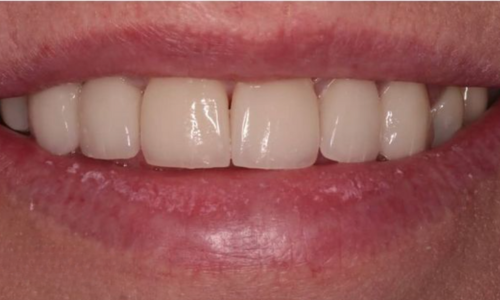
Covering exposed areas. Worn notches or exposed roots can often be covered with a thin layer of tooth-coloured filling material, which protects the tooth and can improve its appearance.
Treating gum disease. If gum disease is causing recession, a professional clean with our hygienist is the first step.
A night guard. If grinding is the cause, a custom guard protects your teeth while you sleep.
Fixing the tooth itself. Decay, cracks or leaking fillings need repairing. Where a tooth is badly worn, cracked or heavily filled, a dental crown can cover and protect it, sealing the sensitive surfaces at the same time.
When sensitivity is a warning sign
Most sensitivity is a nuisance rather than a danger. But it can also be an early warning that the nerve inside a tooth is in trouble. See a dentist soon if:
- Pain lingers for more than a few seconds after hot or cold
- Pain starts on its own, without a trigger
- The tooth throbs or keeps you awake
- It hurts to bite on one particular tooth
- There’s swelling or a bad taste
If the nerve is badly inflamed or has started to die, root canal treatment may be needed to save the tooth. Caught early, many teeth can be treated more simply, which is why it’s worth not waiting. If a tooth has also started to change colour, our guide to a dead or grey tooth explains what that can mean.
Help your dentist help you: a quick sensitivity checklist
Before your appointment, think about these questions. Your answers make diagnosis quicker and more accurate.
- Is it one tooth, a few teeth or all over?
- What triggers it: cold, hot, sweet, acidic, biting, brushing or air?
- How long does the pain last: a second or two, or longer?
- When did it start, and has it got better or worse?
- Have you recently whitened your teeth, had a filling or changed toothpaste?
- Do you grind or clench, or wake with a sore jaw?
- Do your gums bleed when you brush?
Avoiding the dentist because of nerves?
Sensitive teeth and dental anxiety often go together. If you’ve been putting off getting your teeth checked because you’re nervous, you’re not alone, and it’s nothing to be embarrassed about.
We take time to explain everything, go at your pace and never rush. For patients who find dental visits especially difficult, dental sedation can help you feel calm and relaxed during treatment.
Our page on sedation for nervous patients explains how it works and who it’s suitable for.
Why patients choose Lateral Dental
Lateral Dental is a private dental practice at 4 Queens Row in The Nichols Building, Sheffield, led by principal dentists Dr Matthew Stephens and Dr Anupa Stephens. Our team includes dental hygienist and therapist Jennie Connor, so prevention and gum care sit alongside general and cosmetic treatment under one roof.
We’ll get to the bottom of why your teeth are sensitive, explain what we find in plain language and talk you through every option, from the simplest changes at home to treatment in the chair. We’ll always give you a clear price before any treatment begins.
You can call us on 0114 697 0707.
Disclaimer
The information in this article is intended for general educational guidance only and does not constitute personalised dental or orthodontic advice. Suitability for Invisalign treatment depends on individual clinical assessment by a qualified dental professional.
Frequently asked questions
Sudden sensitivity is often caused by gum recession, enamel wear, a new crack or cavity, or recent dental treatment such as whitening. If it’s in one tooth, lingers after the trigger, or doesn’t settle within a couple of weeks, see a dentist.
Often, yes. Once the cause is found and treated, many people find their sensitivity goes away completely. In other cases, it can be well controlled with sensitive toothpaste, professional treatments and changes to brushing habits.
Toothpastes containing potassium nitrate, stannous fluoride or arginine are all effective. The best one is the one you’ll use consistently, twice a day, for at least a few weeks. Your dentist or hygienist can recommend one that suits you.
Not usually. Most tooth sensitivity is caused by exposed dentine and isn’t serious. But pain that lingers, throbs or wakes you up can mean the nerve is affected, and in some cases root canal treatment may be needed. A dentist can tell the difference.
It can, if the sensitivity is caused by a tooth that’s cracked, heavily worn or weakened by a large filling. A crown covers the whole tooth, protecting it and sealing the sensitive surfaces. For milder sensitivity, simpler treatments are usually tried first.